22/06/2026
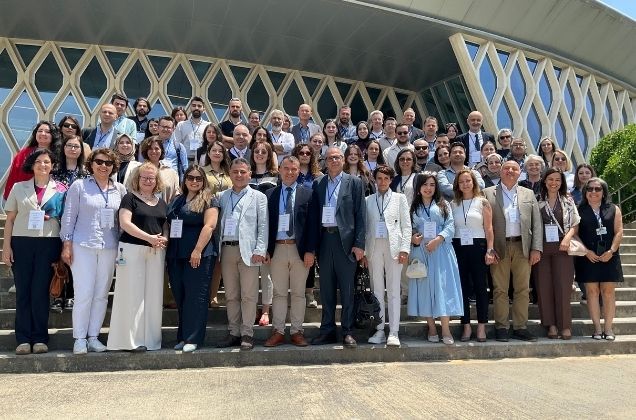
The 3rd LignoNANO Workshop, held as part of the LignoNANO Platform, led by Sabancı University’s Center for Nanotechnology Research and Applications (SUNUM) and supported by the TÜBİTAK 1004 Program, took place at SUNUM on June 16, 2026.
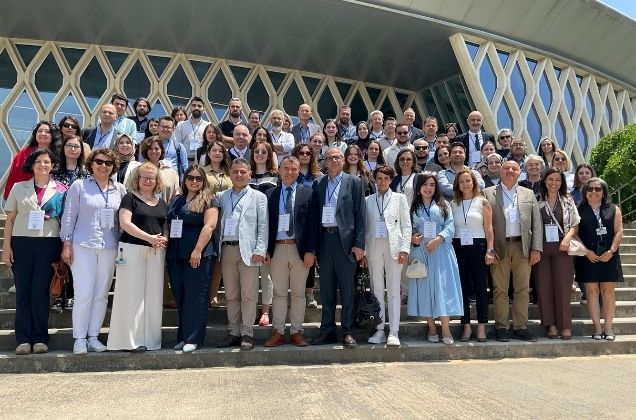
Organized under the theme “From Waste to Value, From Research to Commercialization,” the workshop brought together representatives from academia and industry, facilitating the exchange of knowledge and experience in the areas of sustainable technology development, the circular economy, and smart agriculture applications.
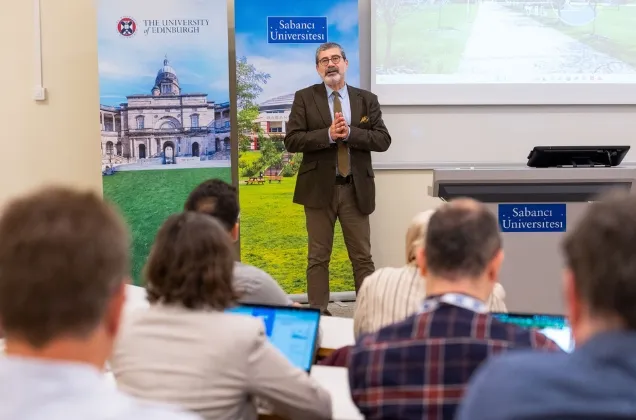
At the workshop, which opened with a keynote address by SUNUM Director Prof. Dr. Alpagut Kara, LignoNANO Program Manager Dr. Yılmaz Şimşek provided information on the work and developments carried out within the framework of the platform. The program continued with presentations by research program leaders and representatives Beyzanur Yiğit Tutuş, Alper Sarıkan, İlke Gürol, Hasan Kurt, Gözde İnce, and Fatmanur Uyumaz, during which the latest project outcomes were shared with the participants.
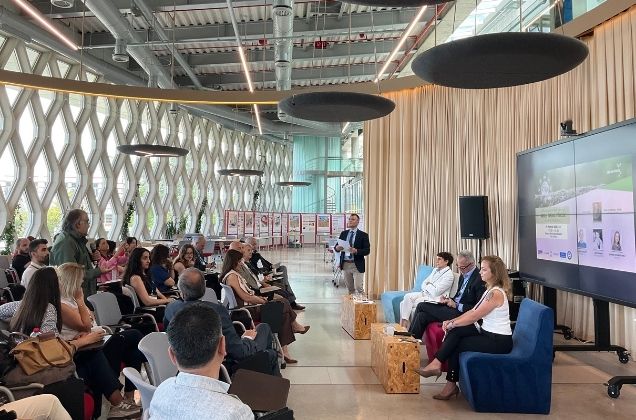
As part of the event, a panel titled “Creating Value from Waste and Initiatives for Smart Agriculture” was held, moderated by Prof. Dr. Serdal Temel. The panel featured Doğan Taşkent, Director of Strategy and R&D at Atabay Pharmaceuticals; Mine Ataman, Agriculture Writer and Strategist at Dünya Newspaper; and Şebnem Dönmez Sanlı, Project Manager at the Hektaş R&D Center, as speakers.
The panel was organized to raise awareness among participants regarding sustainable product development and commercialization, foster a common vision among different stakeholders, and establish a suitable discussion platform for the collaboration sessions to be held subsequently. Discussions focused on the main barriers to the commercialization of research results and on approaches that could accelerate technologies’ access to the market.
It was also emphasized during the panel that insufficient interaction between academic research and the needs of the private sector constitutes one of the major challenges in the commercialization process. In particular, it was noted that engagement with industry representatives and potential users is often established only in the later stages of technology development, making it difficult to align the developed solutions with market expectations. Therefore, the importance of establishing strong collaborations among universities, researchers, and industrial organizations from the very beginning of projects was highlighted. It was also stated that obtaining feedback from the private sector throughout the project life cycle would significantly increase the success of commercializing research outputs.
The program continued with the “LignoNANO Strategic Collaboration and Roadmap” session, during which the commercialization potential of products developed within the platform and possible collaboration opportunities were evaluated. Participants exchanged views on the post-TRL 6 development processes of the products, potential commercialization models, and new collaboration opportunities.
The workshop concluded following a general evaluation and closing session.
The LignoNANO Platform aims to transform waste into high-value-added products and develop innovative technologies that will contribute to smart agriculture applications, in line with the circular economy approach. LignoNANO has a total of 29 institutions/organizations, including 4 public research centers, 2 of which are consultants/service providers, 20 private sector organizations, 4 of which are consultants/service providers, and 5 universities, and approximately 150 researchers.